Every property manager and contractor knows the sinking feeling of discovering water damage that has already turned into fuzzy black spots. We see this constantly after heavy spring rainstorms. Figuring out the boundary between a simple cleanup and a major hazard is the critical first step.
Getting the DIY vs professional mold removal decision wrong carries serious financial consequences, as you might end up paying for unnecessary services or accidentally cross-contaminating your entire house. Trusted mold removal professionals in Wichita can help you make the right call.
Our team at Wichita Mold Removal Services has spent over 20 years restoring local properties. Let’s look at the data, what it is actually telling us about safe cleanup limits, and then explore a few practical ways to respond.
When DIY Mold Removal Makes Sense
We often tell property owners that a fast response is your best defense against structural decay. You can generally handle mold removal yourself when specific, limited conditions are met. Catching the issue early prevents the fungus from embedding deeply into your building materials.
Small Area (Under 10 Square Feet)
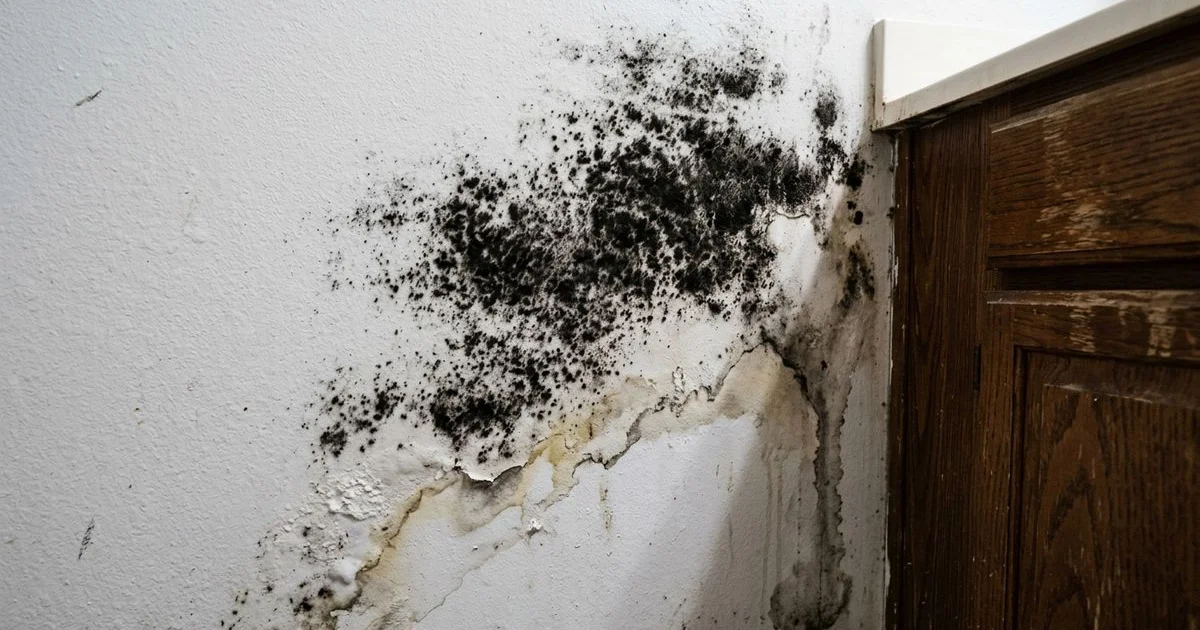
The Environmental Protection Agency sets a very clear guideline for household cleanup. Homeowners can typically handle mold on areas smaller than 10 square feet. This covers most common situations like a patch on a bathroom ceiling or a small spot on a basement wall.
Climate and Environmental Factors
Our local climate plays a massive role in how fast these small spots spread. Wichita experiences high humidity levels in July averaging around 67 percent. This moisture combines with frequent spring thunderstorms to create the perfect breeding ground for rapid fungal growth. You must watch out for these common local triggers:
- Condensation on poorly insulated windows
- Minor roof leaks after heavy storms
- Elevated basement humidity during the summer
Non-Porous Surfaces Only
DIY cleaning is highly effective on non-porous materials like tile, glass, metal, and sealed concrete. These hard surfaces do not absorb moisture. The mold sits right on top and can be physically removed with scrubbing and a basic cleaning solution.
Clean Water Source
We always check the original source of the moisture before starting any work. If the water came from a clean source like condensation, a supply line leak, or rainwater through a window, the cleanup is straightforward. Mold stemming from contaminated water like a sewage backup or flood water requires professional decontamination regardless of the size.
No Health Symptoms
Small DIY cleanups are reasonable if no one in the household is experiencing mold-related health symptoms. Persistent allergies, respiratory issues, and severe headaches are major warning signs. If symptoms are present, you need a professional assessment to determine the full extent of the contamination.
Visible and Accessible Growth
“A visual inspection is only the first step; true moisture mapping requires specialized tools to find what you cannot see.”
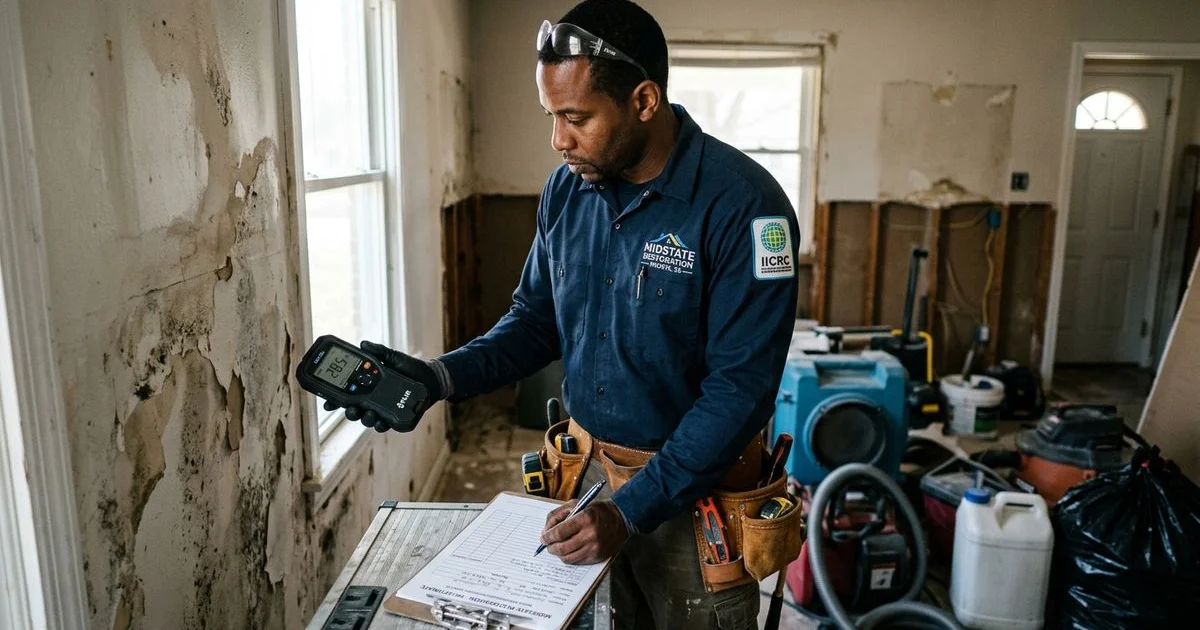
Our technicians rely on infrared cameras and digital moisture meters to determine the full scope of hidden moisture pockets. You need similar verification if you suspect the damage goes beyond the surface.
How to Handle a DIY Mold Cleanup
Taking the right precautions separates a successful cleanup from a cross-contamination disaster. If your situation meets all the criteria above, you need to follow precise steps. Preparation is just as important as the actual scrubbing.
Safety Equipment (Required)
We require our teams to wear extensive protective gear, and you should take similar precautions. The Occupational Safety and Health Administration warns that simple dust masks provide a false sense of security.
Here is the essential gear you need:
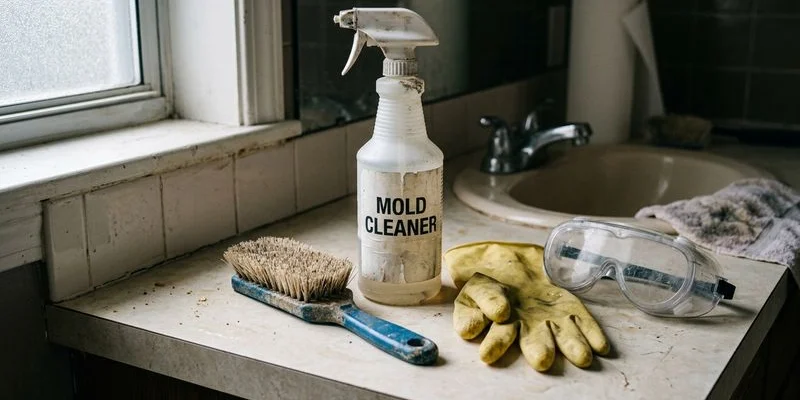
- NIOSH-approved N95 respirator mask: The mask must form a tight seal against your face to block microscopic spores.
- Rubber gloves: Choose heavy-duty gloves extending to your mid-forearm.
- Non-vented safety goggles: Spores can easily irritate your eyes, so complete coverage is mandatory.
- Disposable clothing: Wear old clothes you can wash immediately in hot water or throw away.
Cleaning Solutions That Work
Choosing the right chemical agent determines how effectively you destroy the root structures.
- Hydrogen peroxide (3%): This is an effective antifungal agent safe for most surfaces. It requires exactly a 10-minute dwell time to oxidize fungal cell walls properly.
- White vinegar (undiluted): Vinegar kills most surface species on contact but requires up to an hour of dwell time.
- Baking soda paste: This acts as a gentle scrubbing agent perfect for porous grout and tile.
- Commercial mold cleaners: Look for EPA-registered products at your local hardware store.
What NOT to Use
Many homeowners make critical mistakes by relying on outdated cleaning myths. Using the wrong chemicals will actually accelerate fungal growth.
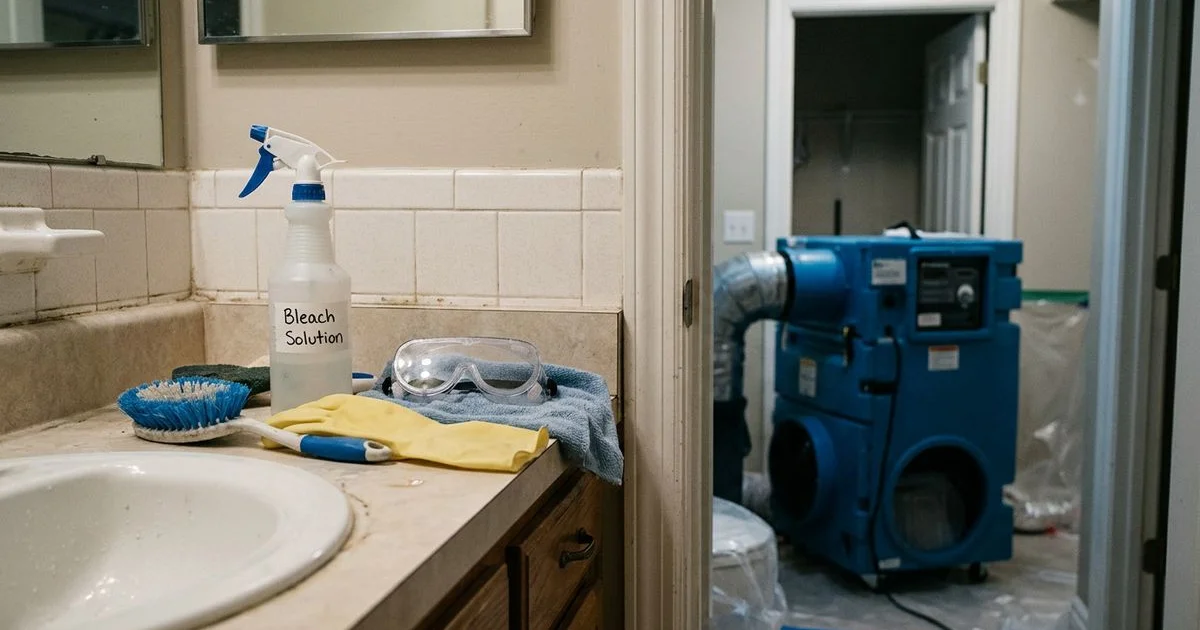
- Bleach: Bleach is not a reliable mold cleaner for porous materials like drywall or wood. It kills the surface layer, but the high water content inside the bleach feeds the remaining roots.
- Mixing chemicals: Never combine cleaning products. Mixing bleach with ammonia or vinegar creates highly toxic chlorine gas.
Step-by-Step Process
We follow a strict protocol to ensure no spores escape the treatment zone. You can replicate this containment strategy for small household projects.
- Ventilate the area: Open windows and run exhaust fans to direct air outside.
- Mist the mold: Lightly spray the surface with water first to prevent spores from becoming airborne during your initial wipe.
- Apply your cleaning solution: Let the product sit for the required dwell time.
- Scrub the surface: Use a stiff-bristled brush to aggressively break up the colony.
- Wipe clean: Dispose of all dirty rags in heavily sealed plastic bags.
- Dry the area completely: Run oscillating fans or a dehumidifier for at least 24 hours.
- Address the moisture source: Fixing the underlying leak is the absolute most important step.
When You Must Call a Professional
Certain infestations are simply too dangerous and difficult for standard household tools. Professional mold remediation is strictly necessary when specific risk factors are present. Attempting to handle these scenarios yourself puts your property at severe risk.
The Affected Area Exceeds 10 Square Feet
The industry standard dictates a professional response for anything larger than a 3x3 foot patch. Larger areas require heavy-duty containment barriers and commercial HEPA filtration units. Homeowners do not have access to the negative air pressure machines required to keep spores isolated.
Compliance with Industry Standards
We strictly follow the ANSI/IICRC S520-2024 standard for all mold remediation projects. This is the definitive, science-backed guide for professional mold removal in the United States. Following this standard ensures that contaminated materials are physically removed rather than just sprayed with chemicals.
Mold Is on Porous Materials
Fungus growing on highly porous materials cannot be effectively wiped away. The root structures, known as hyphae, penetrate deep inside these items:
- Unfinished wood framing
- Standard drywall and joint compound
- Carpet padding and fiberglass insulation
The affected sections must be physically cut out and replaced under full containment.
HVAC System Contamination
Spores inside your heating and cooling system will distribute throughout your entire home every time the fan kicks on. HVAC remediation requires highly specialized equipment to clean ductwork and coils.
“Running an infected HVAC unit turns a localized mold problem into a whole-house contamination event within hours.”
A standard vacuum will simply blow the microscopic particles back into the air.
Contaminated Water Source
Our crews treat any fungal growth stemming from Category 2 gray water or Category 3 black water as an immediate biohazard. Sewage backups and flood waters introduce severe bacterial health risks. This adds a layer of difficulty that goes far beyond basic cleaning.
Financial and Cost Considerations
National data from 2026 shows the average cost of professional mold remediation in the U.S. is $2,367. This typical range spans from $1,223 to $3,753 depending on the room.
| Remediation Scope | Average 2026 Cost Estimate |
|---|---|
| Typical Professional Cleanup | $1,223 - $3,753 |
| National Average | $2,367 |
| Whole-House Contamination | $10,000+ |
Hidden Mold and Recurring Growth
You might smell a musty odor but see absolutely nothing on the walls. Opening up a wall cavity without proper containment can release massive quantities of spores right into your living space. Recurring mold after a DIY cleaning is a clear signal that the underlying moisture problem was never resolved.
The Risks of Getting It Wrong
We have seen countless homeowners accidentally turn a minor bathroom leak into a whole-house disaster. Attempting professional-level remediation as a DIY project carries massive financial and physical risks.
- Spreading contamination: Disturbing a colony without establishing negative air pressure will blow spores into previously clean rooms. This turns a localized problem into a massive hazard.
- Health exposure: Large-scale removal without P100 respiratory protection exposes you to heavily concentrated spore levels. These toxins can trigger severe asthma attacks and allergic reactions.
- Incomplete removal: Surface cleaning on porous drywall leaves the root systems completely intact. The growth almost always returns within weeks.
- Insurance complications: Insurance adjusters closely investigate water damage claims. If your provider determines that improper DIY remediation worsened the damage, they will likely deny coverage for the resulting repairs.
The Bottom Line
Making the final call between DIY vs professional mold removal comes down to the size of the contamination and the type of materials affected. DIY cleanup is perfectly appropriate for small, surface-level spots on non-porous materials from a clean water source.
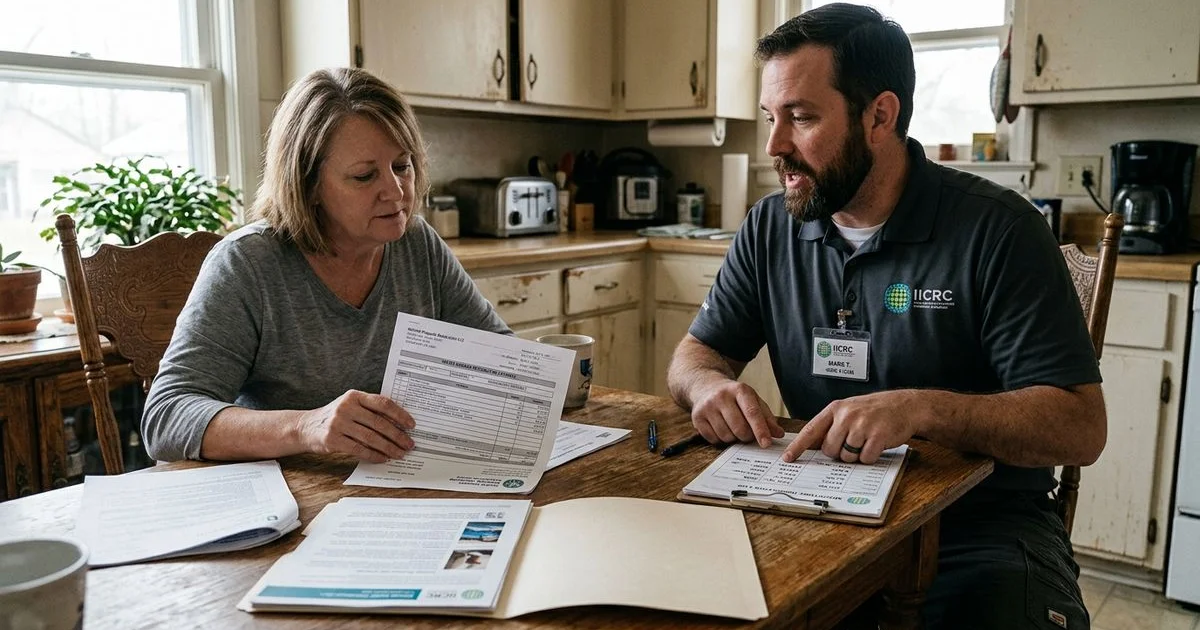
We offer free mold inspections to help homeowners make this crucial determination. An AMRT-certified technician will assess your situation honestly and verify whether full remediation is truly necessary. This transparent approach is exactly how our team has built lasting confidence in the Wichita community for over two decades.
Call (913) 795-7310 to schedule your free inspection.